There is a short list of issues that most households in Melbourne will have with their hot water system: it is either not coming on, the temperature is all over the place, there are leaks or odd noises, pressure is down, or you have an ignition fault and some parts have worn out. Put simply, you are looking at a bad thermostat, a heating element on the fritz, trouble with the pilot light or thermocouple, sediment, corrosion and an old tank that has had its fill of it.
For those of us who find ourselves haggling with lukewarm water in the shower as though it was a difficult relative, this is the guide. I am Elowen Powell and have put together something of use rather than anything fancy. You will find out what the symptoms tell you, what is safe to check on your own and where you need to put in a call to a licensed plumber or electrician in Melbourne. And we will cover the sensible case for a repair as opposed to the easier option of a replacement.
What is Wrong With It
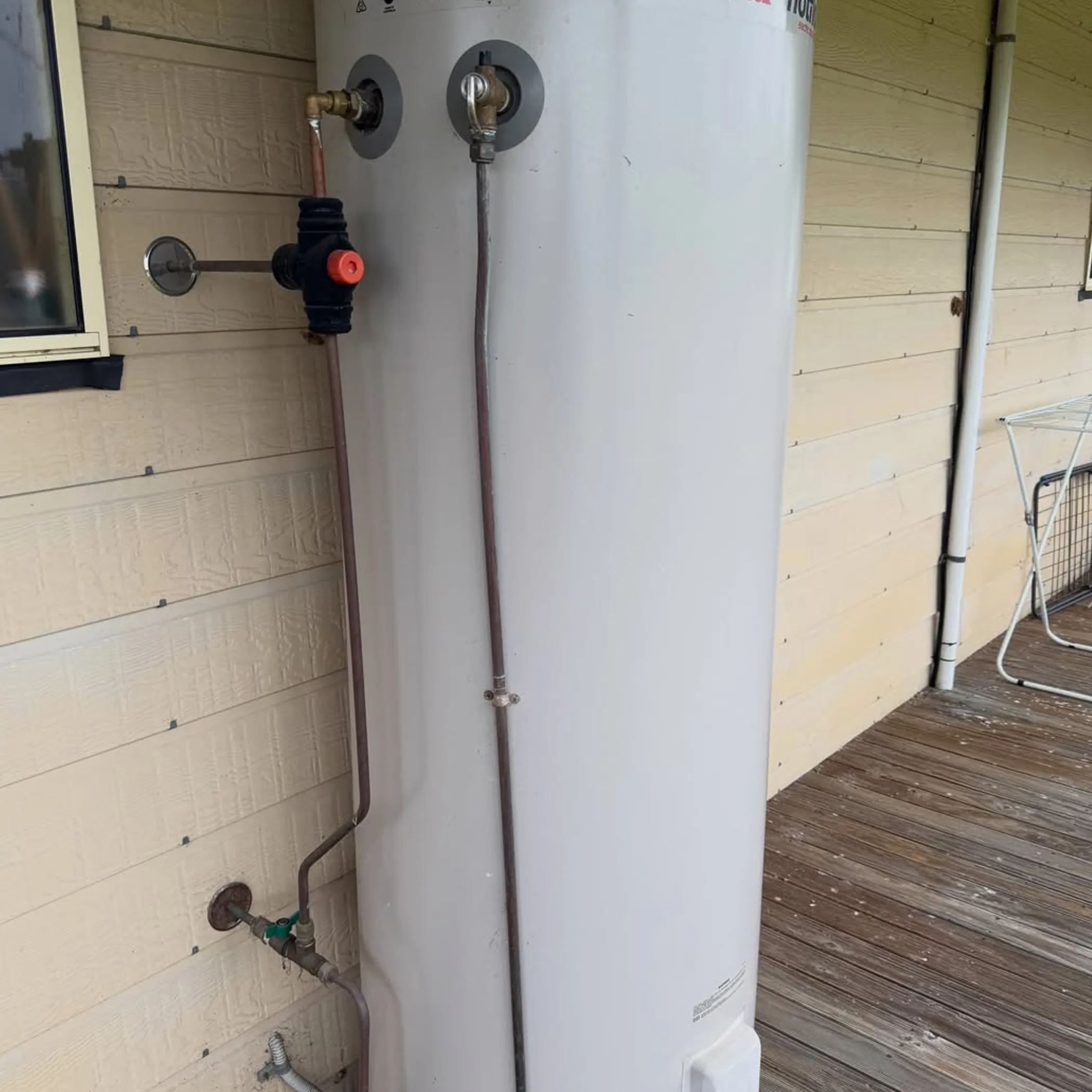
You do not have to be a detective to figure out most hot water faults. They run to type and once you are familiar with the patterns you can make short work of it. The thing is, two entirely different problems can present themselves in the same way. For example, if you’re in need of Hurstbridge hot water repairs, a search for “no hot water Melbourne” could be anything from a tripped breaker to an unlit pilot, a broken heating element, an exhaust blockage or a tank that has rusted into retirement without making a fuss.
No Hot Water
The obvious one. What is behind it will depend on the system. Gas units might have an issue with the gas supply, controls, the thermocouple or ignition. In an electric unit it is more often a dead heating element, a thermostat problem or the circuit breaker has been tripped.
Take instant gas hot water that is not up to scratch; sometimes the trouble only shows itself under demand. You put the tap on, the unit makes a click or puts in an effort to ignite and then nothing of value occurs. Ignition failure is a possibility, as are sensor or venting problems that require a professional.
Hot Then Cold
It can be maddening in its apparent randomness but usually there is a reason. Storage systems may be overwhelmed by household demand or hampered by a partial element failure, a dodgy thermostat or too much sediment.
A continuous flow model will cut in and out if the pressure is not steady or the unit is having trouble with scale or fault codes. Come winter in Melbourne the incoming mains water is cold enough to make any system seem a little weaker.
Where You See Leaks and Damp
An early noticed leak in a Melbourne home can be put right for a song, but a small drip at a valve is not the same as a leaking tank. Know the difference.
Water from the inlet/outlet, pipe joints, fittings or the pressure relief valve is reparable. But a cylinder giving way to corrosion is not. Do not think you can fix a rusting tank with some tape from Bunnings.
Unusual Noises or Smells
If the storage tank is popping or rumbling, there is probably sediment or scale within the unit. The water has to heat through a layer of deposits which is hard on the components and reduces efficiency.
Rusty or metallic water is a sign of internal deterioration or a failing anode rod. Heed it and do not put it off for half a year, otherwise you will be left with a wet laundry floor and a leaking tank.
How To Tell
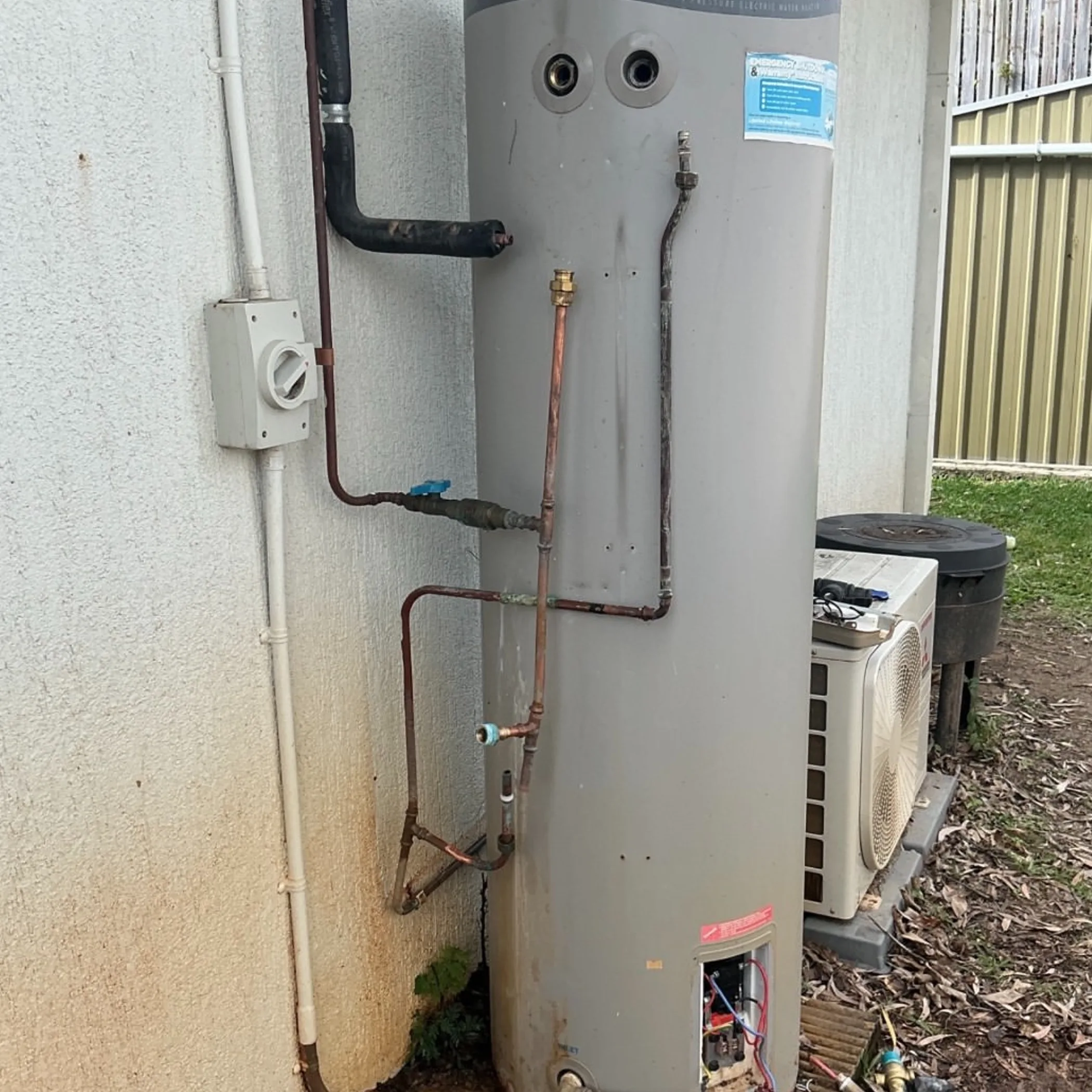
The badge on the front of the appliance is not as telling as the symptoms. Households will tell you they have a Rinnai or a Rheem but not if it is a heat pump, electric boost or storage. So be it. Go by what the system does.
My advice is to be practical about it. Make your observations before you act. When you ring for repairs in Melbourne a plumber will be able to put his finger on the problem and give you an accurate quote without wasting time if you can be clear on the behaviour.
| Symptom | Likely Causes | Repair Or Replace? |
| No hot water | A case of a tripped circuit breaker, a bad heating element or thermostat, the pilot light going out, or a thermocouple problem. | In most instances a repair will do. |
| Hot then cold | Can be put down to an undersized system, a faulty sensor or thermostat, sediment. | The fix is normally a repair on occasion an upgrade. |
| Low pressure in the hot water | Valve trouble, scale, a restriction in the pipe or clogged filters. | Usually repaired. |
| Water at the base of the tank | Be it a valve or pipe connection leak or a leaking tank. | A tank that has given way generally calls for a replacement. |
| Rumbling | Scale and sediment are to blame. | Have it serviced; if the unit is old and worn down, replace it. |
| Unit showing fault codes | Could be anything from ignition and fan to an overheat protection trip or blocked exhaust. | Leave the diagnosis to a professional. |
There is a tendency for people to see some water and write off the unit entirely. Not always warranted, a valve can be the culprit. But you would not want to make the reverse error and put down a cylinder leak to condensation and let the floor go.
Causes By System Type
One cannot expect a blanket answer to work with the array of systems in Melbourne homes, be they gas or electric storage, continuous flow, heat pumps or solar-boosted. It would be like an umbrella riddled with holes in a hailstorm. To be more precise in troubleshooting, and to have something to put to a technician when one is booked in, it is better to look at faults by system.
Gas Storage
The likes of the pilot light, gas valve, burner assembly, thermocouple and thermostat control figure in the problems Melbourne households report with their gas systems. Should the pilot light refuse to stay lit, the thermocouple is often the first suspect as the safety device for verifying a flame. Debris, the age of the unit or an irregularity in the gas supply can also lead to a poor performing burner. With older models, you may find corrosion and tank wear compounding an ignition fault and making a repair hard to justify on cost grounds.
Electric Storage
Owners in Melbourne will come across a tripped breaker, a heating element that has failed or a bad thermostat. An element might only partially give up so there is warm water but not to the desired extent. Then there is the matter of off-peak tariffs muddying the issue; a system could seem to have died in the morning after not putting in the hours overnight. While these are not hard to put your finger on, a licensed trade should make the repairs, particularly for isolation and testing.
Continuous Flow
An instant gas system is a fine thing until it is not. You can have scale build up, exhaust blockage, a fan or sensor go wrong, or an ignition failure. When the problem with the instant gas is confined to times of high demand, the unit may be undersized or suffering from unstable pressure. Rinnai and Rheem will put a reference for the fault code on the unit or in the manual to aid the initial phone call. They are meant to be clues, not an open door for the DIYer.
Heat Pump And Solar Boost
With a heat pump you might notice reduced efficiency in the cold, odd noises, a control board or fan fault and slow recovery. Melbourne is no Arctic but a winter morning will tell. As for solar-boosted set ups, owners can be thrown by a problem with the booster and think the roof collectors have had enough. A cloudy day, a tempering valve or pump on the fritz will have them believing the system has packed up.
Some Safe Checks
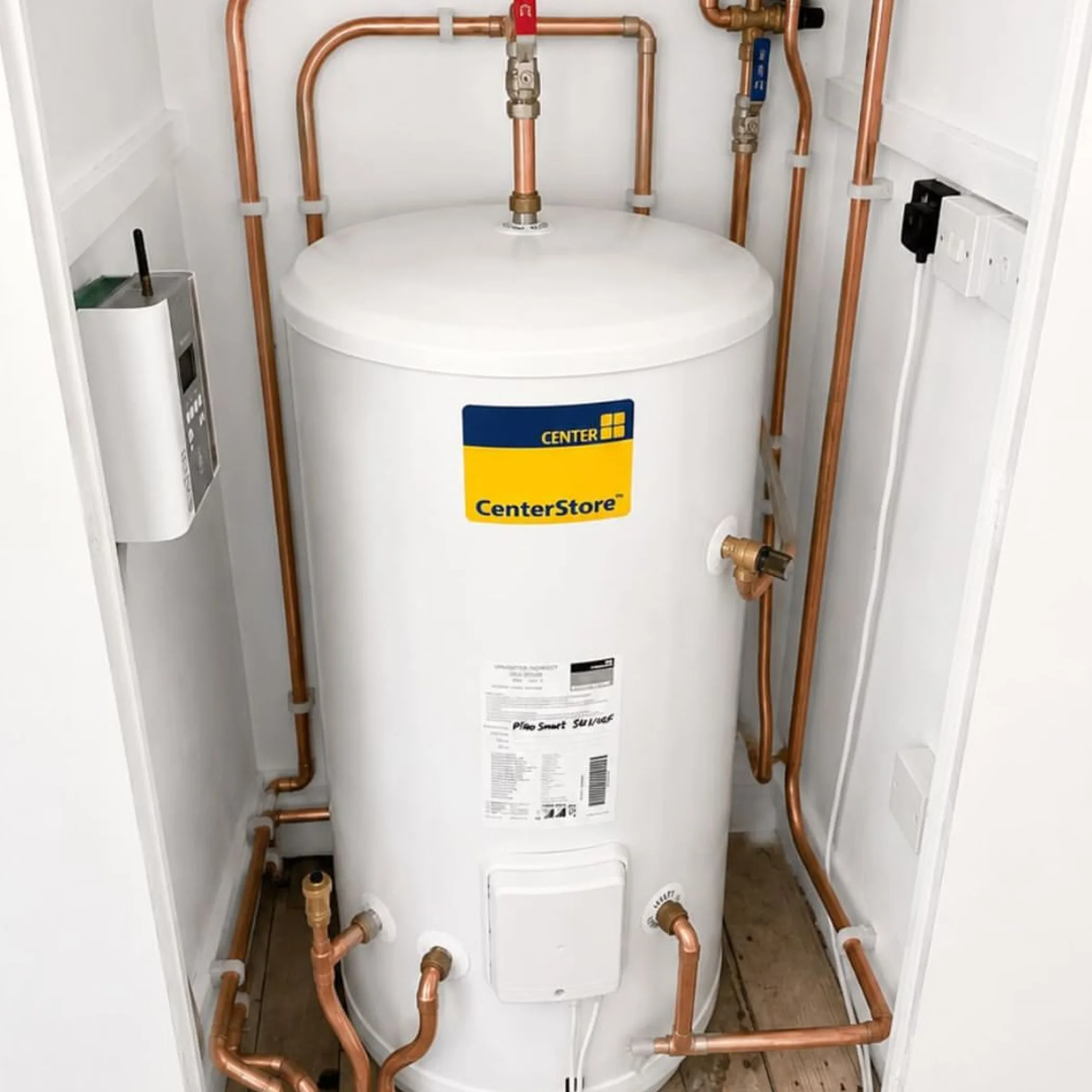
Before you put in for a call-out there are a few things to be done sensibly. Do not go about with your tools after watching a video and having a coffee and put on the plumber act. Make a quick pass at the obvious to provide the repairer with good information.
- Is it every hot tap or a single fixture?
- See if the power is on and the switchboard has a tripped breaker.
- With gas, are the other appliances in order?
- Any error lights or codes on the display?
- Check the base and pipes for rust, staining or an active leak.
- Put your ear to it for any rumbling or clicking from the fan.
- Has demand been up with guests or the school holidays?
Leave the covers on and do not tinker with the valves, the burner or the thermostat. In Victoria a licence is required for any electrical or gasfitting on a hot water system. For the official word on energy safety in Victoria have a read of the government’s information at Victoria’s official energy safety information.
To Repair Or Replace?
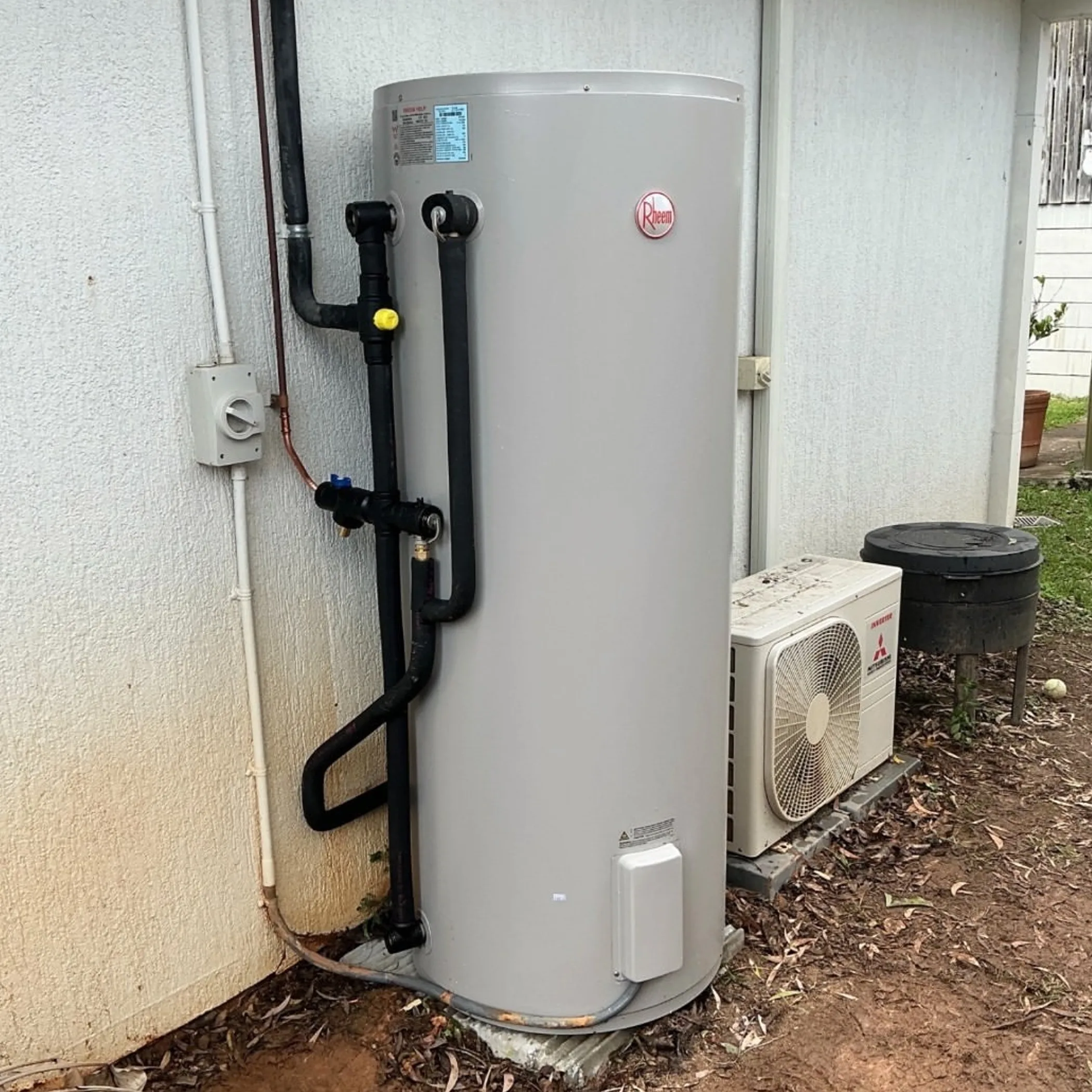
More often than not that is what is wanted to know, not the function of the pressure relief valve. “Am I putting money into a lemon?” is a perfectly reasonable question.
One does not put in the work to repair unless the tank is in good structural order and the fault can be contained. But a cylinder that is leaking, or one with advanced corrosion and parts that will not hold up, is best replaced. There is little point in an expensive fix on an old system when it only buys you some more trouble down the line for a few months.
A Guide to Lifespan
There is no set rule for how long a unit should last; it is a matter of usage, water quality, the type of system and how well it has been looked after. Most plumbers will tell you 8 to 15 years is a fair range for storage systems, continuous flow ones being more durable if given the proper care. Do not take it as any kind of guarantee. The mistake is to regard lifespan as an expiry date. Hard use, scale, a lack of servicing or corrosive conditions will see some units go before their time while others soldier on. It is age coupled with rust, inefficiency and the odd breakdown that is of concern.
When to Replace
If the problem is the tank itself, there is no sensible alternative to replacement. Nor is there when faced with major part failure on an older piece of equipment or a system that cannot keep up with the household.
Should the day come and you have to make a decision, continuity and safety are what matters: do as you are told to isolate the system and put in a call for urgent attendance. Be open to a same-day replacement should the technician find the tank has failed. In such cases a local from the outer north-east to Darebin can be of service, say for a Hurstbridge hot water repair that needs to be put in hand without delay.
Cost of Repairs in Melbourne
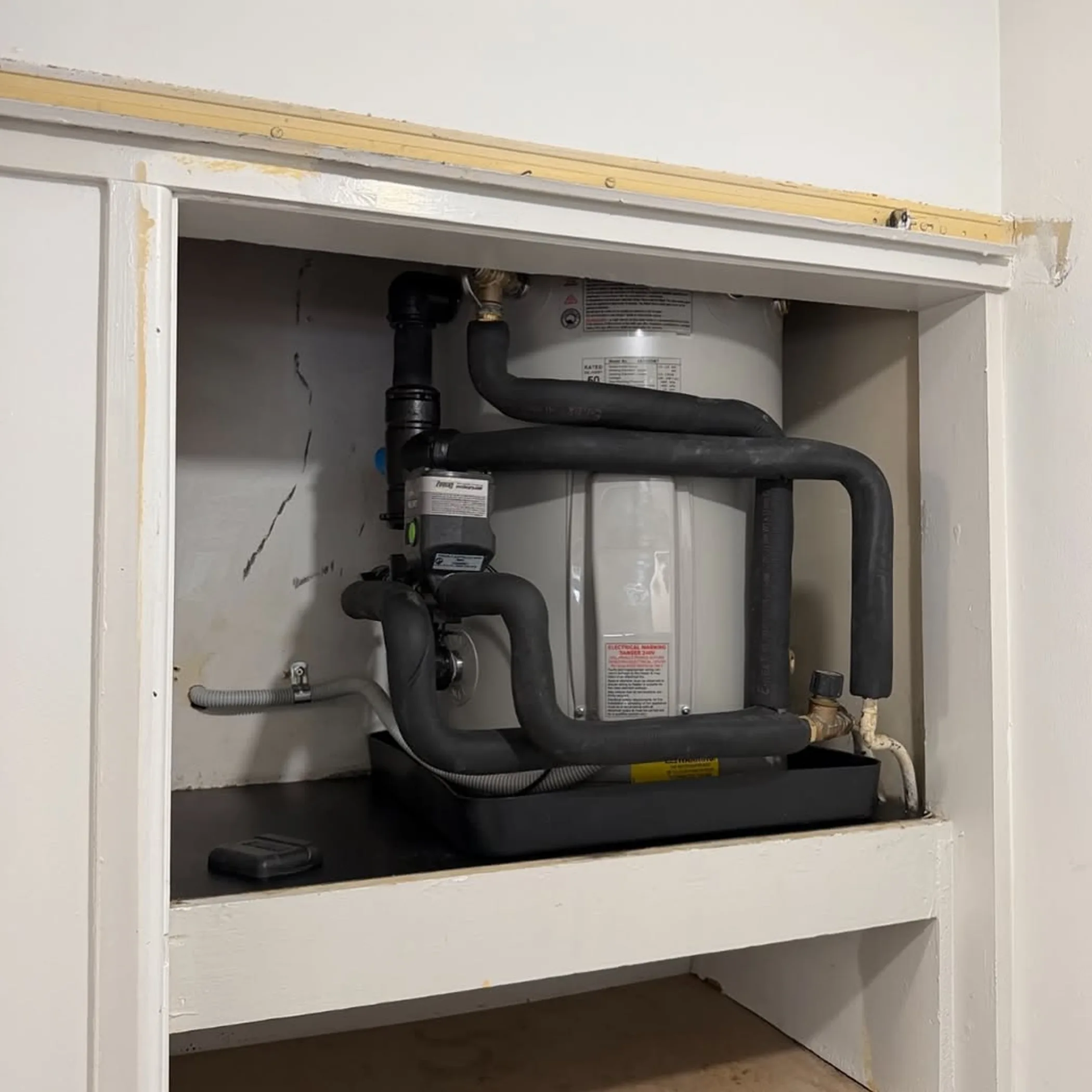
Any indicative cost is only as good as its honesty. What one pays depends on the system, the access, whether the fault is plain to see or as stubborn as a bad habit, part availability and if the job is after hours. The following are current market expectations in Melbourne to give some idea of a plausible quote, they are not fixed figures.
| Job Type | Typical AUD Range | Notes |
| Service call and diagnosis | $120–$250 | After hours is more |
| Thermostat replacement | $180–$350 | Electric storage |
| Heating element | $220–$450 | Unit and access dependent |
| Thermocouple or pilot (gas storage) | $180–$380 | |
| Pressure relief valve | $180–$400 | A function of the pipework |
| Fitting leak (not the tank) | $150–$350 | |
| Continuous flow fault | $220–$600 | Boards or fans add to it |
| Supply and install new | $1,500–$4,500+ | Size and type |
You will see similar numbers put about by the likes of MCN Plumbing, Watermaster, EzyPlumb or The Plumbing and Roofing Company, but a quote is a quote. Urgency and brand can alter the bottom line in a hurry with heat pumps and the like.
The Local Factor
Melbourne is not uniform. From one suburb to another the housing stock, water and exposure are different and that has a bearing on what fails and how practical a repair is. Then there is the winter cold. Mains water is colder so the system has to put in more effort for the same output; something that was fine in autumn may not cut it in July.
Scale and sediment
Scale and sediment will undermine efficiency, making for noise and less hot water on tap before one notices the internal issue. An anode rod is a defence against corrosion for the storage tank but it is not indefinite. Getting it out and put in during maintenance is something many in Melbourne overlook yet it will put years on the tank.
Access in the older parts of town
Access in the older parts of town is another thing. A “quick swap-over” in a cramped laundry with old valves and pipework can eat up half a day once the seized fittings and compliance issues present themselves. Add in poor parking or stairs and the labour is greater. Not by much but it is there.
For the most part, the unglamorous advice is the one to follow.
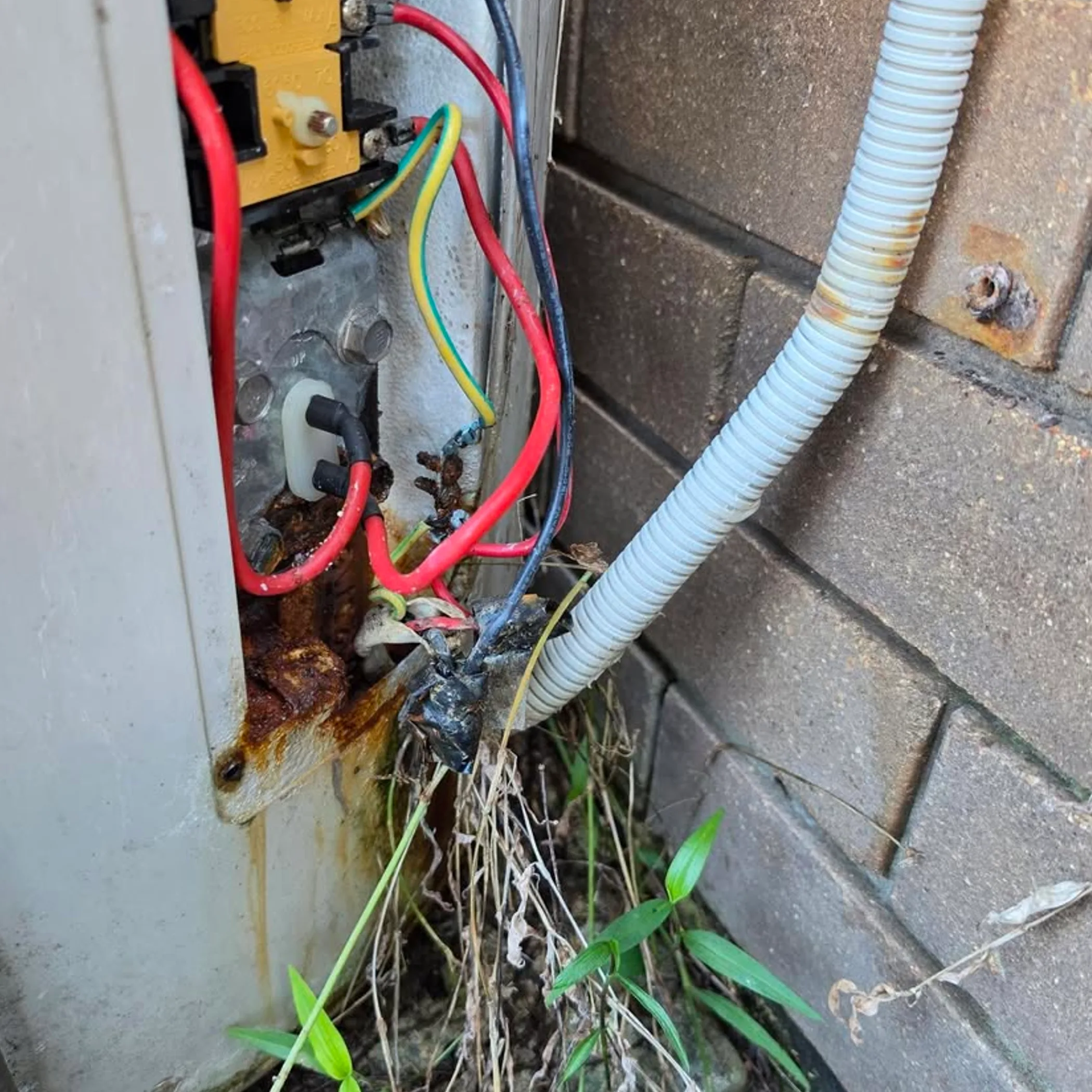
There is an old lesson from life and the home: a rattle that is put off will not of its own accord be cured. Hot water systems are no exception. To stave off the costly kind of surprises and to have a leg up on nipping small faults in the bud before they turn into a no hot water Melbourne morning crisis, regular servicing is called for.
Make it a habit to have a professional come by at intervals as the manufacturer and system type would have it. Have them look over the anode rod, thermostat, relief valves, heating element and any corrosion in plain sight. In the case of continuous flow units, get an assessment of the filters, scale, fault code history and the state of the burner. Make sure the unit has room to breathe and is easy to get at for safety or to spot a leak.
Do not put off action on a drip, some rusty water or a loss of pressure in the hope it will pass; wait for total failure and you will be sorry. Where there is a big household with high usage, maintenance is all the more important as it hastens the wear. An old unit in a house that has gone from two occupants to five is less likely to be faulty than worn out.
The Right Repairer
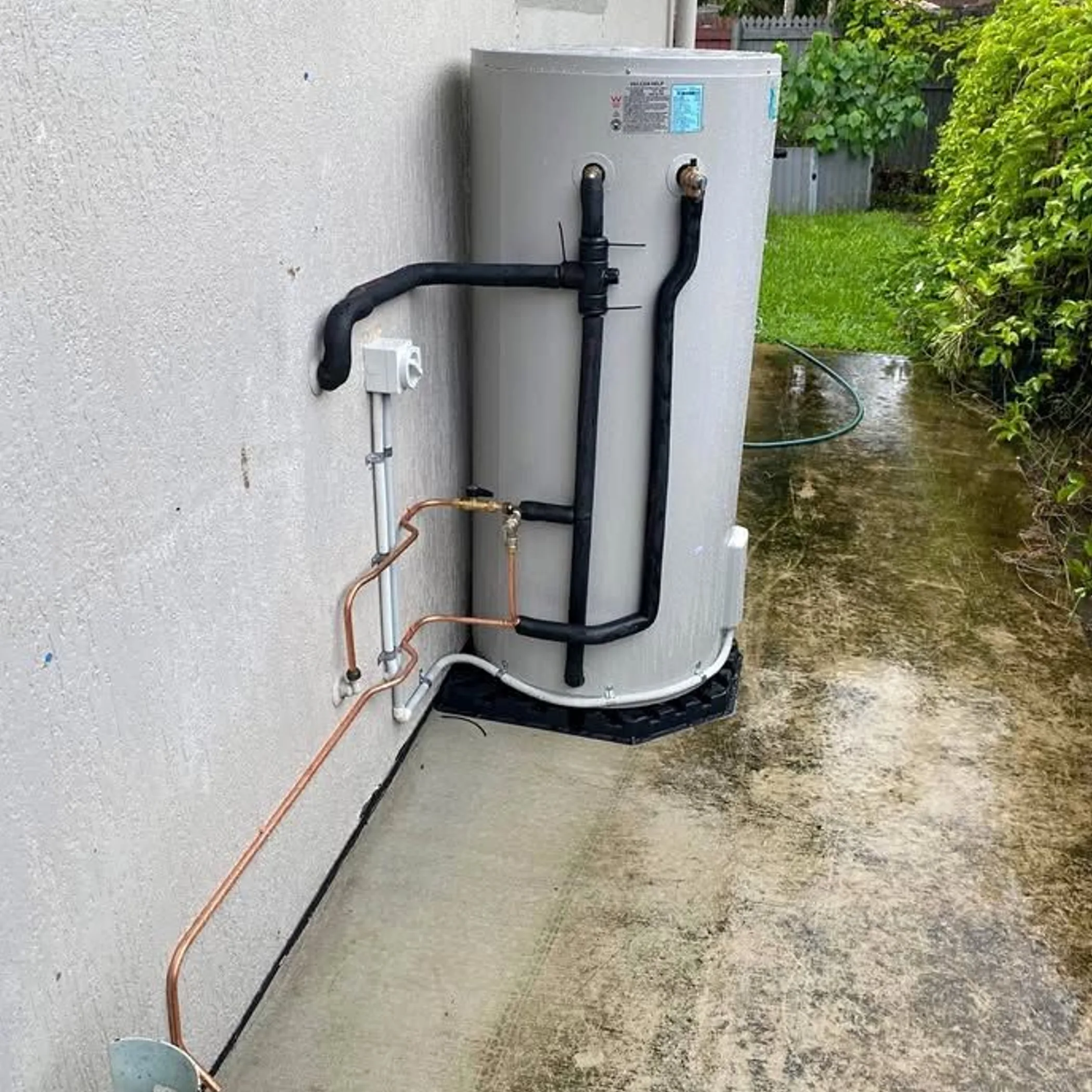
One should not assume an emergency plumber is versed in hot water work, nor that a cheap quote is worth having. The person who can give you a straight talk on the fault and sensible options for repair or replacement, and who is accustomed to your make of system and has the parts to hand, will generally be your best bet.
Put questions to them on their Victorian licence, brand familiarity, what the warranty covers and if compliance work is part of the bill should a replacement be in order. I would be inclined to look elsewhere if they could not put the distinction between a leaking tank and a valve leak in terms anyone can understand.
Who Should Read This
Homeowners, tenants and landlords in Melbourne will find this guide of use in getting to grips with the sort of hot water system trouble one encounters in the city before putting in a call. It is a good way to determine if you are looking at a minor fix, something that needs replacing or an urgent matter of safety.
That said, it does not take the place of a licensed diagnosis when gas, electricity or active leaks are in play. At the first whiff of gas, scorching, an electrical problem or noises of a worrying nature, put aside any DIY notions and engage someone qualified.
FAQ
What tends to go wrong with a hot water heating system?
You will most often see it in the form of a bad thermostat or sediment in the storage tank, or in electric and gas systems respectively, a fault with the heating element or the pilot light/thermocouple. But then age and a lack of upkeep are always lurking in the background along with corrosion.
How long does one last?
For storage systems 8 to 15 years is a fair average, though with the right servicing a continuous flow unit may well outlive that. It is down to the quality of the water, how hard the system is used and whether such things as the anode rod have been replaced.
When is it time to replace?
If the cylinder is leaking you have little option but to do so. Other indicators are advanced corrosion, an older unit that is no longer efficient, a run of breakdowns or the cost of repairs being too much for the age of the system.
And the common problems?
Anything from no hot water at all to inconsistent temperatures, low pressure, rumbling, a failed pilot or thermostat, scale and the like. Continuous flow models will throw up fault codes.
Is it safe to use if there is a slight leak?
It is a matter of where it is. A fitting or valve may be giving a minor drip that can be put right, but a tank is another matter and calls for prompt attention. When in any doubt and with gas or electricity in the equation, a licensed professional will tell you to switch it off and have it seen to.
In the end
For those in Melbourne with hot water system issues, the answer is straightforward: put the symptom to the system type, make the basic checks that are safe to do and do not tarry if you are faced with corrosion, a leak, an electrical or gas problem or a repeat failure. Minor things can be mended, a leaking tank for the most part cannot.
Elowen Powell’s view is that these systems do not just fail without warning. Put in the work for proper hot water system maintenance in Melbourne at the first sign of trouble and it will mean less stress and money in your pocket, not to mention sparing you a thoroughly wretched cold shower.